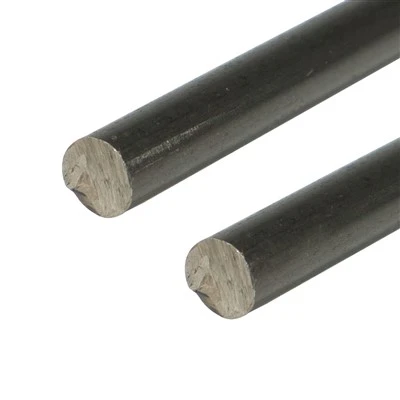

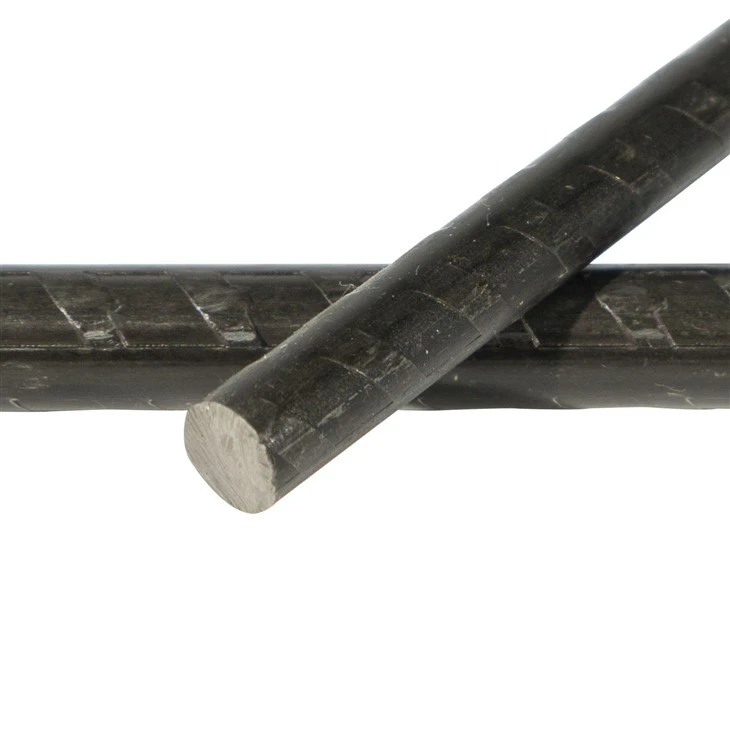
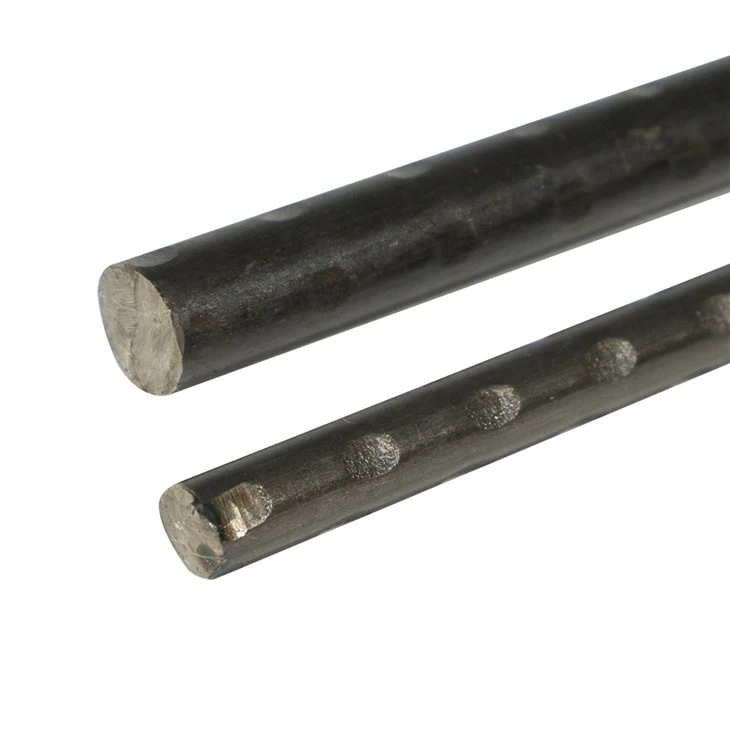
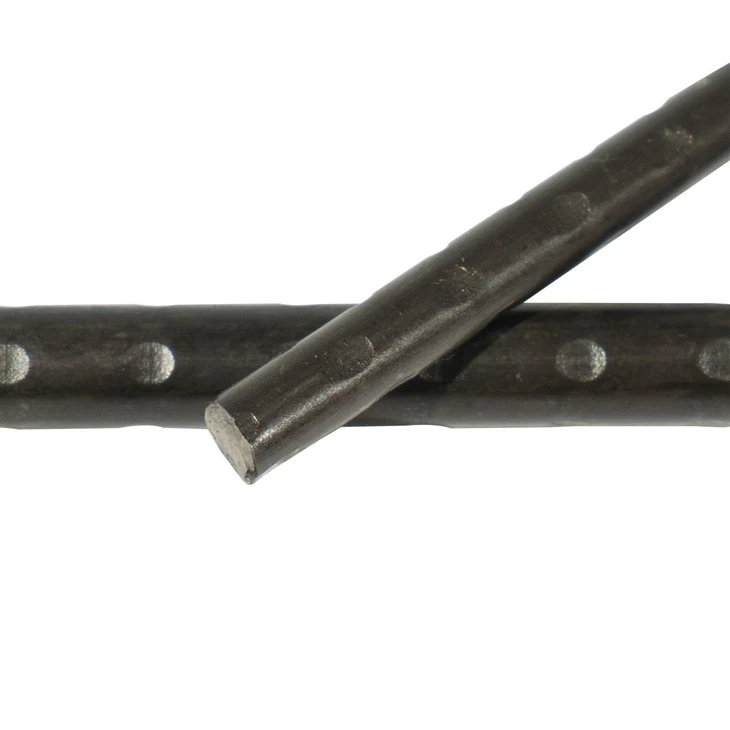
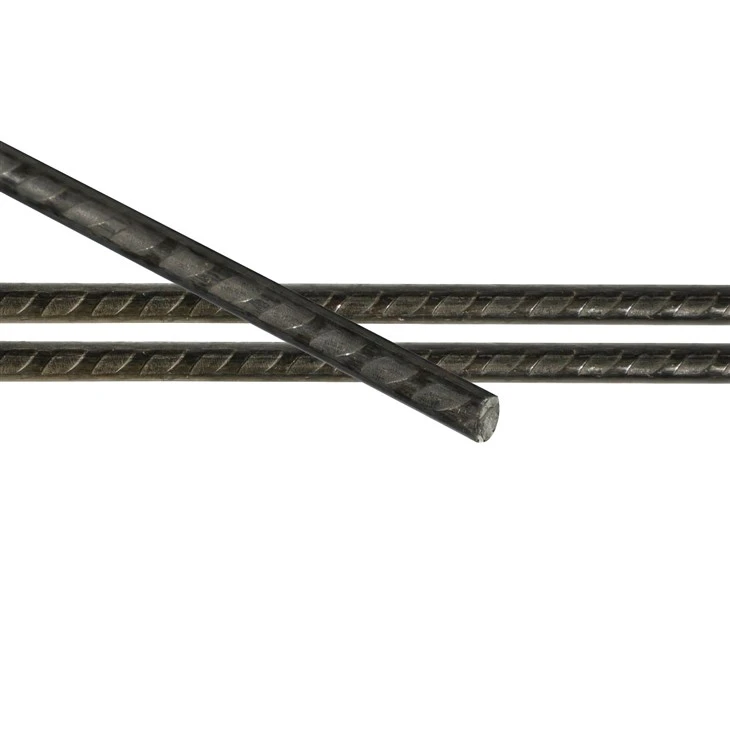
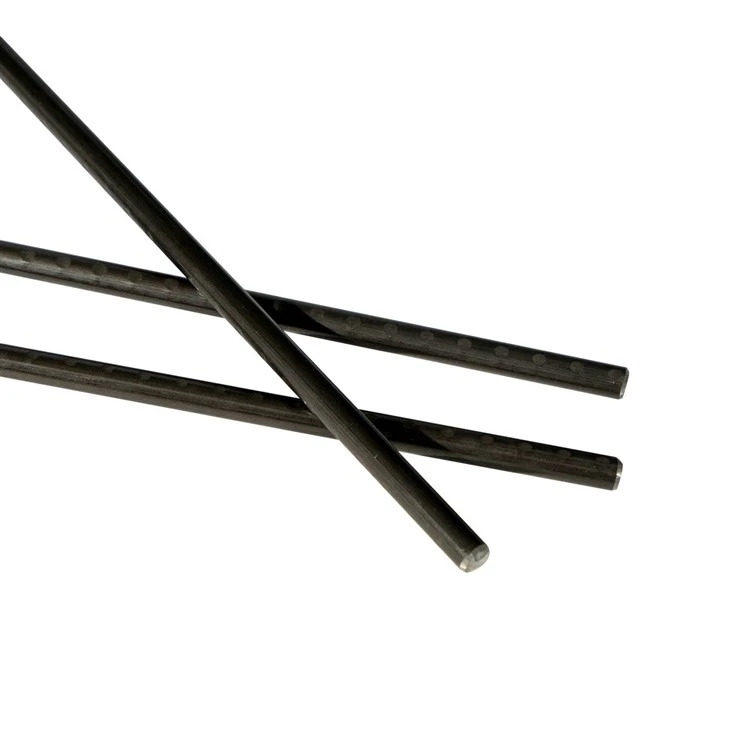


Yuanxian High-tech Material Trading (Tianjin) Co., Ltd. is one of the leading manufacturers and suppliers of indented pc wire in China. We provide advanced materials made in China with low price. Welcome to wholesale bulk CE approved indented pc wire from our factory. Contact us for customized service and free sample.
Yuanxian High-tech Material supplies indented prestressed concrete wire for pretensioned elements where the design relies on a measured, repeatable transfer length to develop prestress into the concrete - concrete railway ties, bridge beams, crane beams and heavy floor slabs.
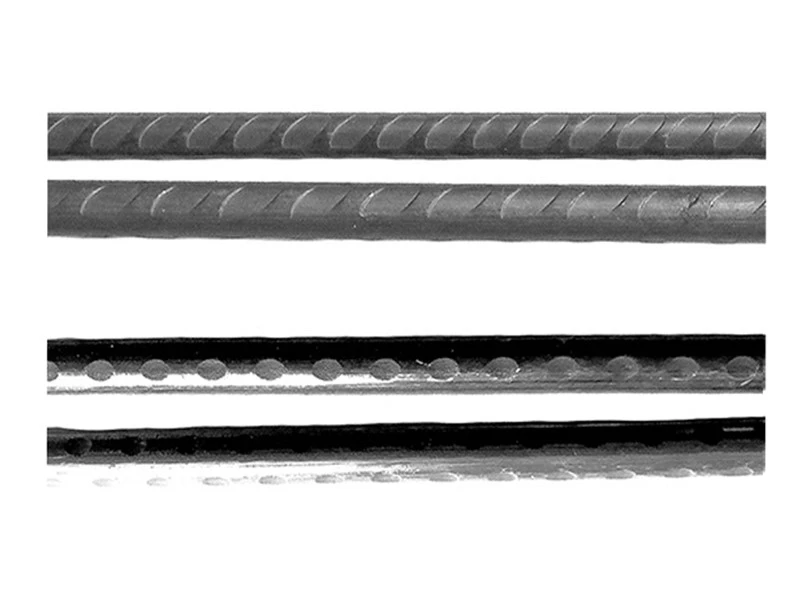
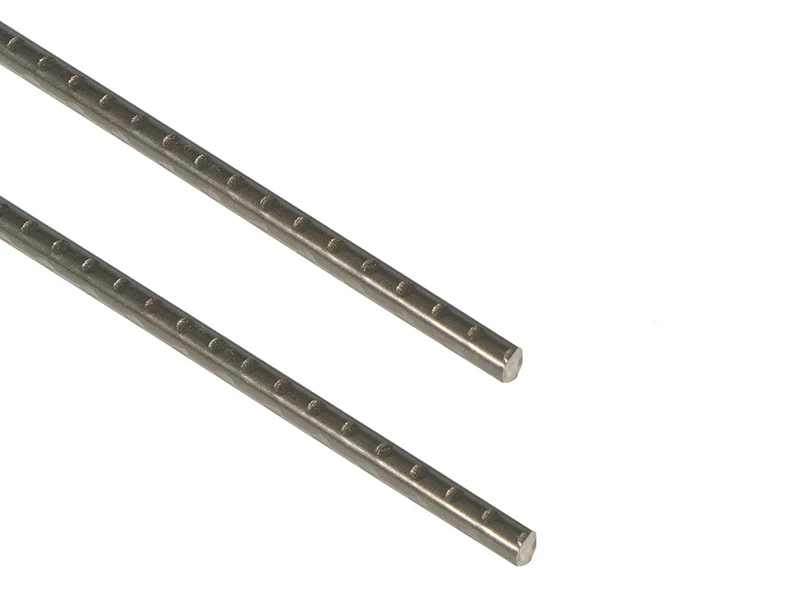
The wire carries a controlled pattern of indentations rolled into the surface, creating mechanical anchorage that resists longitudinal movement and allows shorter anchorage zones than plain wire at the same diameter. Produced to GB/T 5223 and IRAM/IAS U 500-245, with 1000 h relaxation ≤2.5% and indentation dimensions reported on the dimensional inspection record.
Product Overview
Indented wire is specified when the transfer length - the distance over which prestress is developed from the wire into the concrete at the end of a pretensioned member - must be known and held within tolerance. Unlike plain wire, where transfer depends almost entirely on adhesion and friction, the indentation pattern provides discrete mechanical keys. Pull-out testing consistently shows indented wire outperforming plain wire in anchorage, and the indentation depth and spacing can be designed to suit the concrete strength at detensioning and the required anchorage length.
The practical consequence for a precast plant is predictability at the saw cut. In a railway tie production line, where the member is detensioned and then cut to length, a transfer length that varies from coil to coil produces end cracks or incomplete prestress development in some ties and over-long anchorage zones in others. Indented wire with controlled indentation geometry narrows that scatter. The same logic applies to bridge beams and crane beams designed with pretensioned strands: the anchorage zone dimension on the drawing is only valid if the wire surface delivers the assumed bond behaviour.
Technical Specifications
| Nominal Diameter | Surface | Tensile Strength | Relaxation (1000 h) | Indentation | Typical Standard |
|---|---|---|---|---|---|
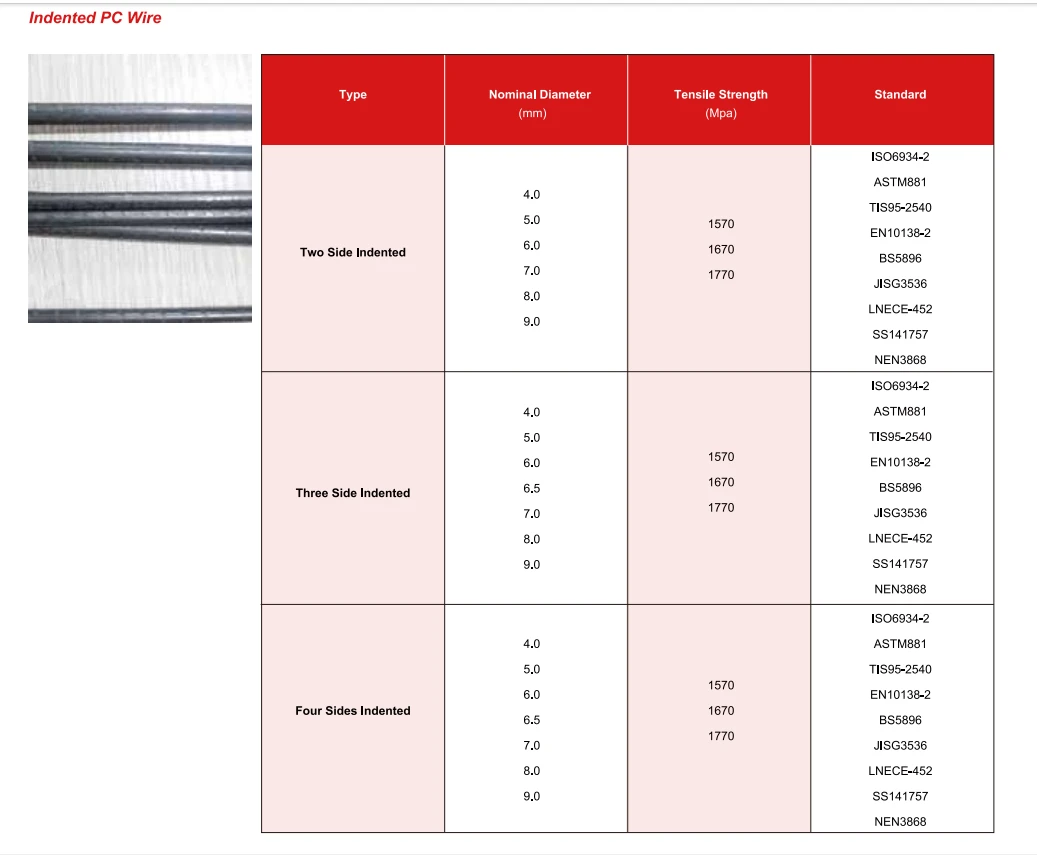
| 4.0 – 10.0 mm | Regular indented pattern | 1420 – 1860 MPa | ≤2.5% | Controlled depth and spacing | GB/T 5223, IRAM/IAS U 500-245 |
Standards: GB/T 5223, ASTM A421, EN 10138-2, IRAM/IAS U 500-245 (indented wire for concrete sleepers).
Indentation control: depth and spacing inspected per coil; dimensions reported on the dimensional record accompanying the MTC.
Coil: 0.5–2.0 t per coil; split coils available for short production runs.
Why Indented PC Wire from Yuanxian
- Indentation geometry checked, not just "ribbed". Depth and spacing are measured per coil and reported on the dimensional record. For a pretensioned tie or beam designed around a specific transfer length, this is the variable that determines whether the anchorage zone develops prestress as assumed. A shallow indent batch is identified before shipment, not after the first detensioning crack appears.
- Shorter anchorage zone than plain wire at the same diameter. The discrete mechanical keys engage the concrete earlier along the wire, reducing the length needed to develop the prestressing force. In pretensioned bridge beams and crane beams, this allows the end zone detail to be compacted without changing the wire count or diameter.
- Low relaxation ≤2.5% for long-service prestress stability. Stress-relieving keeps the prestress reserve available for live load rather than losing it to steel relaxation. In railway ties subjected to repeated axle loading, this directly supports the fatigue resistance the tie design relies on.
- Compliance documentation aligned to the anchorage-zone calculation. MTC carries heat-linked chemistry and mechanical values; the indentation dimensional record sits alongside it. The engineer reviewing the pretensioned member submittal has one document set to check against the transfer length assumption.
From Inquiry to Shipment
Specification Review
Send diameter, strength grade, member type (tie / beam / slab) and the transfer length or anchorage-zone dimension from your drawing. We check indentation geometry and mechanical grade against the pretensioning design.
01
Order Confirmation
Confirm coil weight, packing, marking and inspection scope. If the order is for a tie or beam line with a fixed mould, we record the target indentation window before production.
02
Production & Testing
Indent rolling, stress-relieving and dimensional inspection per batch. Indentation depth and spacing are measured alongside tensile, yield and relaxation tests.
03
Inspection & Documents
SGS / BV / TUV inspection before loading. Mill Test Certificate with heat-linked chemistry and mechanical values, plus the indentation dimensional record.
04
Packing & Dispatch
Moisture-proof wrap and coil numbering matched to the packing list. Dispatch sequenced to the pretensioning bed cycle so coils arrive before the mould is set.
05
Applications
Concrete railway ties and track slabs; pretensioned bridge beams and crane beams; heavy floor slabs and large roof trusses where anchorage-zone length is designed; pile foundations and structural elements that rely on bond between wire and concrete to develop prestress.


FAQ
1. How is indented wire different from spiral ribbed wire for pretensioned members?
Indented wire uses discrete, regularly spaced indentations; spiral ribbed wire uses a continuous helix. For pretensioned members designed around a transfer length - railway ties, bridge beams - the discrete indent pattern makes the anchorage behaviour easier to model and verify by pull-out testing. Spiral ribbed wire is generally preferred where centrifugal spinning or immediate bond under vibration is the production method.
2. Can you certify indentation dimensions for a railway tie project?
Yes. Indentation depth and spacing are measured per coil and reported on the dimensional record that accompanies the Mill Test Certificate. If your tie specification references a particular indentation pattern or standard (for example IRAM/IAS U 500-245), send the clause and we will confirm the production window before quotation.
3. What concrete strength at detensioning is assumed for indented wire?
Indented wire develops anchorage more predictably than plain wire, but the minimum detensioning strength still governs the transfer length. For pretensioned members, a transfer strength around 32 MPa is commonly specified; send your detensioning strength and we will check whether the standard indentation geometry suits the anchorage zone on your drawing.
Send your sleeper or beam drawing - we will report achievable indentation depth and spacing against your design.
Request an indented PC wire quotation: email a.lee@yxmaterial.com, call +86-022-23763704 or WhatsApp +86 180 2006 1362.
Send diameter, strength grade and the transfer length or anchorage-zone dimension from your drawing - engineers reply with indentation confirmation and a line-item quotation within 24 hours.
Hot Tags: indented pc wire, China indented pc wire manufacturers, factory, Cermet Rod, cermet rods, indented pc wire, pc steel strand, prestressed concrete steel wire, Prestressed Steel Wire